



Go Back
News
News
Navigating the Digital Era: Cultivating Self-Control in Children | YCYW Educational Lecture Series Highlights
News
20 May, 2026
16 : 00
In an era where digital technology is deeply integrated into our daily lives, guiding children to establish healthy screen habits has become a vital cornerstone of modern parenting.
As a pioneer in international education, YCYW Education Network has partnered with global experts to create a public platform for dialogue through our Educational Lecture Series. The most recent session, themed "The Battle for the Brain in the Digital Era: Focusing on Children's Emotional Management and the Cultivation of Self-Regulation", was successfully held at YCIS Beijing.
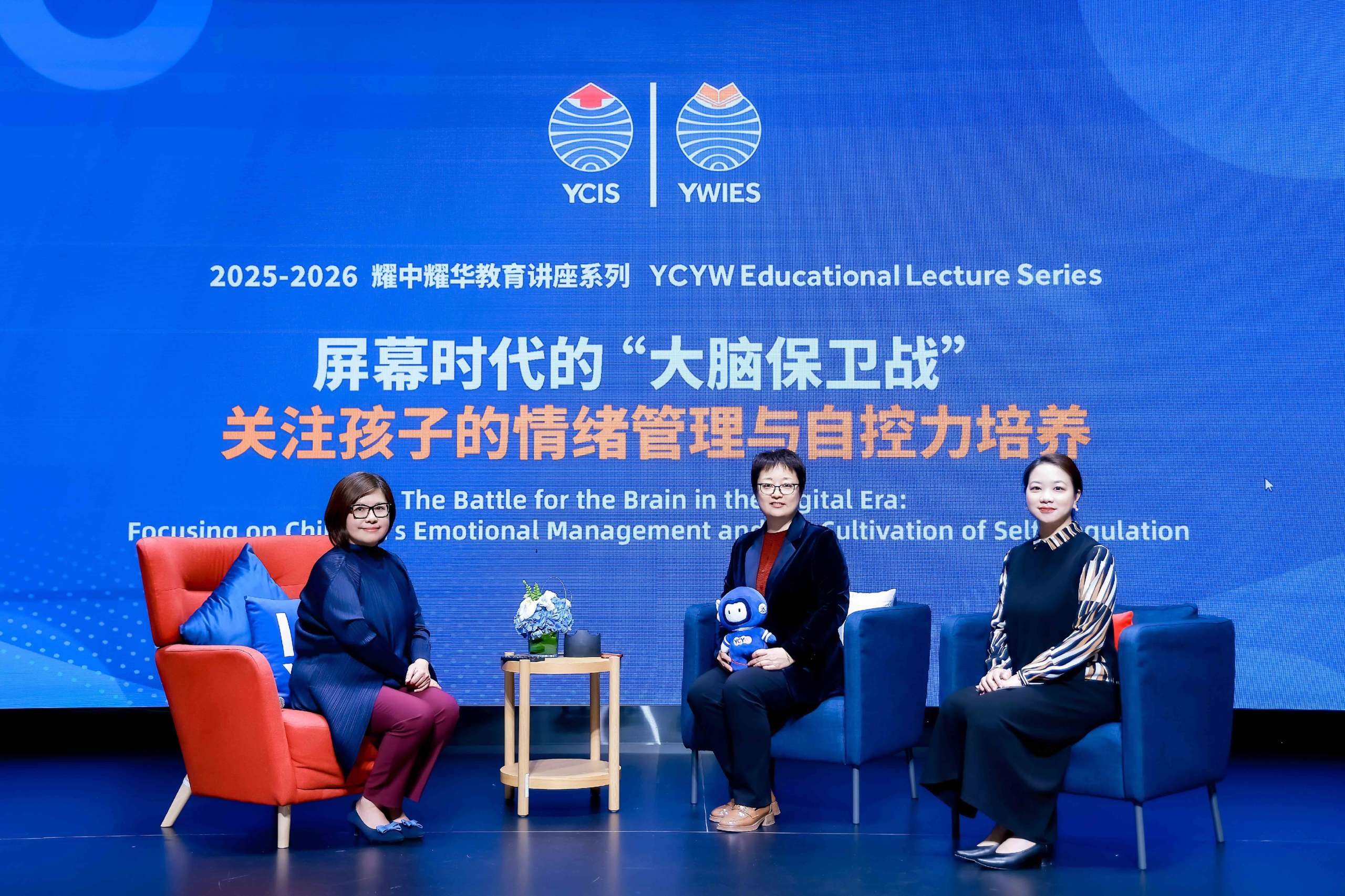
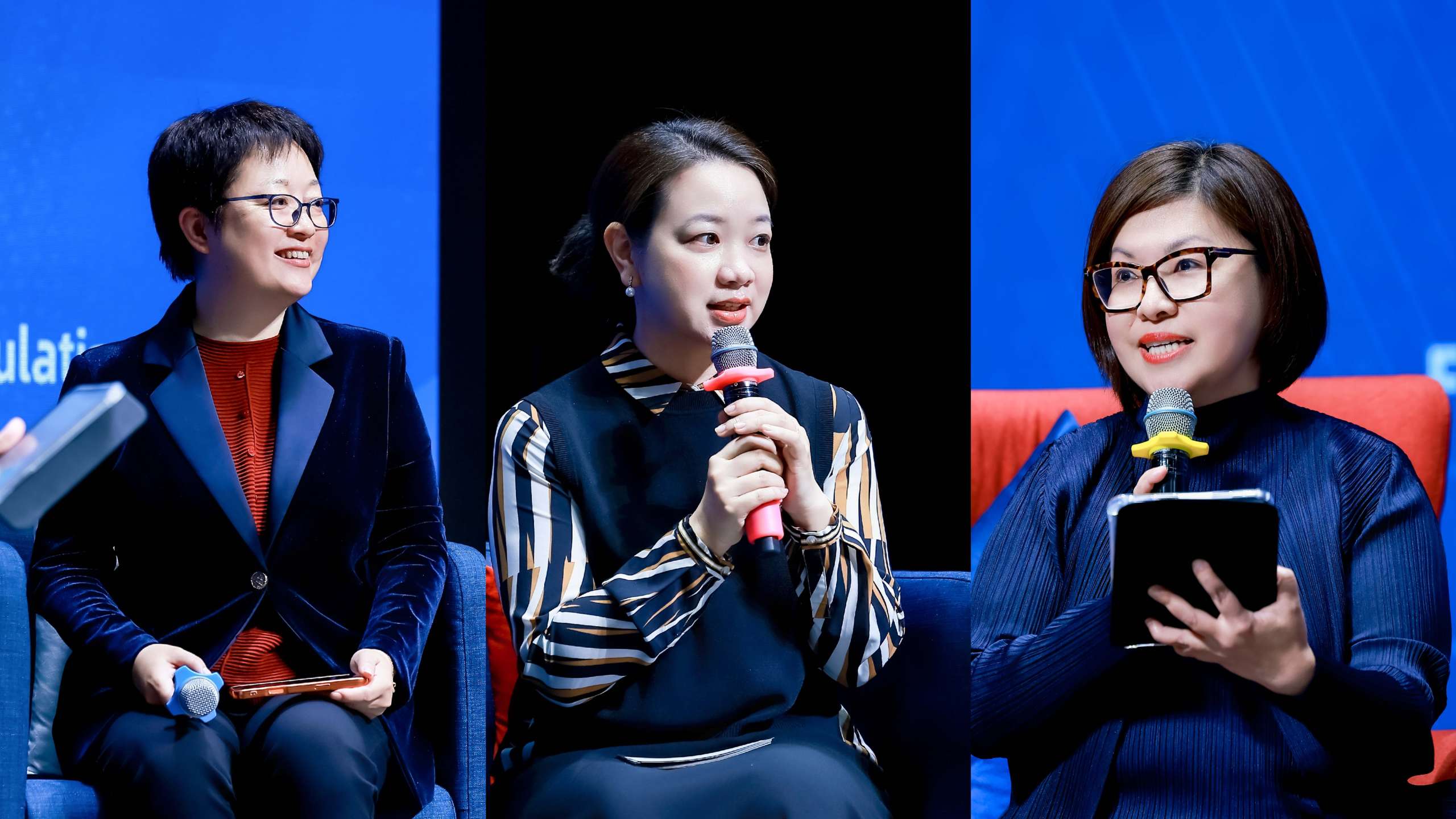
The lecture featured a profound dialogue hosted by Ms Jessica Sun , Chinese Co-Principal of YCIS Beijing, alongside Ms Zhao Zhanshu, Deputy Editor-in-Chief of the China Teachers’ Training Network (CTTN), and Dr Jin Yiwen, a Paediatrician at United Family Healthcare (UFH). Drawing upon extensive educational practice, cutting-edge neuroscience, and deep media insights, the panel decoded the "brain mechanisms" behind screen usage and provided parents with highly practical home-education strategies.
A Deeper Perspective: How Screens Shape the Developing Brain
Many parents notice that while children appear "deeply immersed" when using devices, they often experience emotional volatility once the screens are turned off.

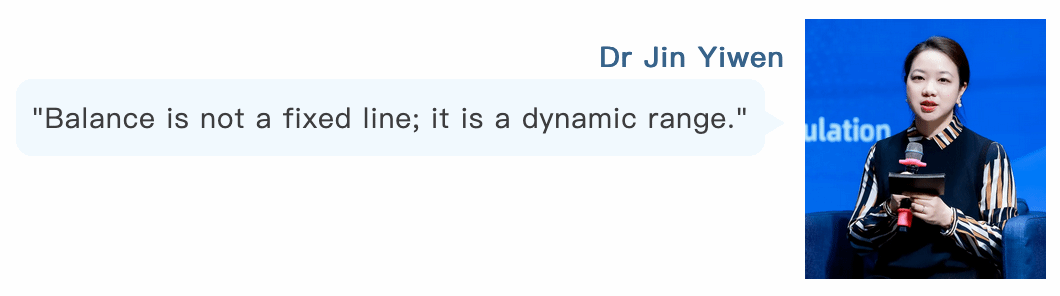
From a medical perspective, Dr Jin pointed out that the instant feedback from screen content triggers a rapid release of dopamine, which significantly raises a child’s "pleasure threshold". This phenomenon not only challenges the sustained attention required for deep thinking but can also leave children feeling unmotivated when faced with "slow-reward" activities such as reading or physical exercise.
Scientific Insight: Self-Control is a Trainable "Muscle"
A core concept presented was that self-control is not an inherent personality trait, but a function of the prefrontal cortex. Acting as the brain’s "Chief Executive Officer", this area manages impulses and emotions. Crucially, this "self-control muscle" can be strengthened through consistent practice.

Strategies for Enhancing Self-Control
The "Three-Second Pause": To help children manage overwhelming emotions, guide them through a deep breath and a three-second count. This technique is designed to engage the prefrontal cortex and restore calm.
"Delayed Satisfaction" Routines: Establish a rhythm of completing challenging tasks before enjoying leisure time to foster patience and long-term focus.
"Limited Choice" Exercise: Offer children choices within set boundaries. Every independent decision made serves as an effective workout for their self-control.
Emotional Regulation: From "Digital Plasters" to Real Connection
Research suggests that some children turn to screens as a tool to regulate negative emotions. However, this temporary relief is often followed by a surge in cortisol (the stress hormone), leading to a cycle of "scrolling anxiety".

YCIS Beijing Initiative: A Three-Step Self-Check for Parents
-
Is the child mastering the screen, or is the screen governing the child?
-
Is the device a tool for learning and creativity, or an "emotional plaster" used to mask underlying feelings?
-
Is our family life too occupied with screen time?
Home-School Partnership: From Management to Empowerment
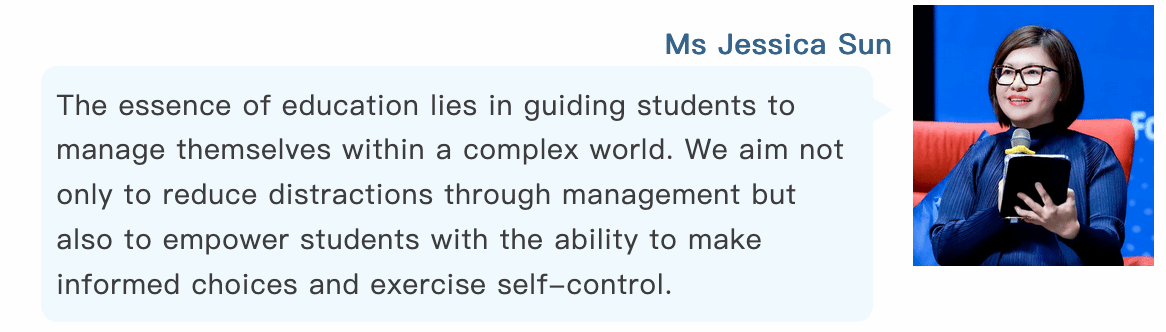
Regarding mobile phone management, YCIS Beijing continues to explore strategies such as "Phone-Free Campus" initiatives to foster a more focused learning environment.
YCIS Beijing Initiative: Enhancing Digital Literacy
-
Demystifying Algorithms: Help children understand the logic behind social media feeds, moving them from "passive consumers" to "informed observers.
-
Collective Pacts: Encourage parent groups to act together to delay the age at which children receive smartphones, thereby reducing peer pressure.
Future Outlook: Thinking and Creating in the Age of AI
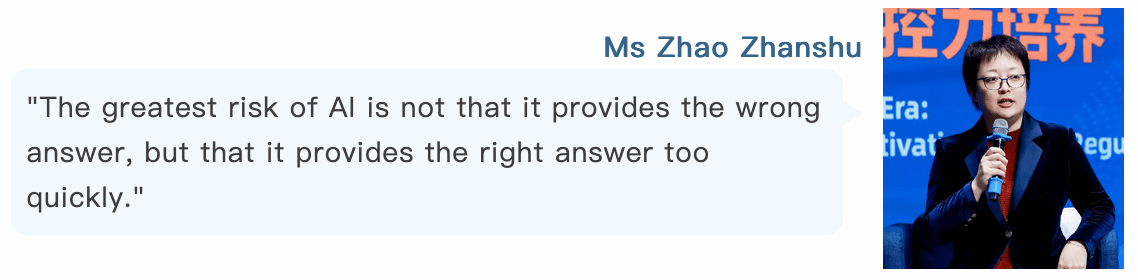
Addressing the rise of AI tools like ChatGPT, the panel concluded that the key is not whether we use them, but how.
YCIS Beijing Initiative: Educational Strategies for the AI Era
-
Protecting Original Thinking:
Designate "independent creation time" to allow children to experience the journey of thinking from scratch.
-
Shifting Core Competencies:
Move the educational focus from "finding answers" to "asking high-quality questions", treating AI as a partner for cognitive expansion rather than a crutch.
Our Commitment and Vision
In the digital age, the best protection we can offer the next generation is to help them enjoy the conveniences of technology while maintaining a balanced and self-regulated lifestyle.
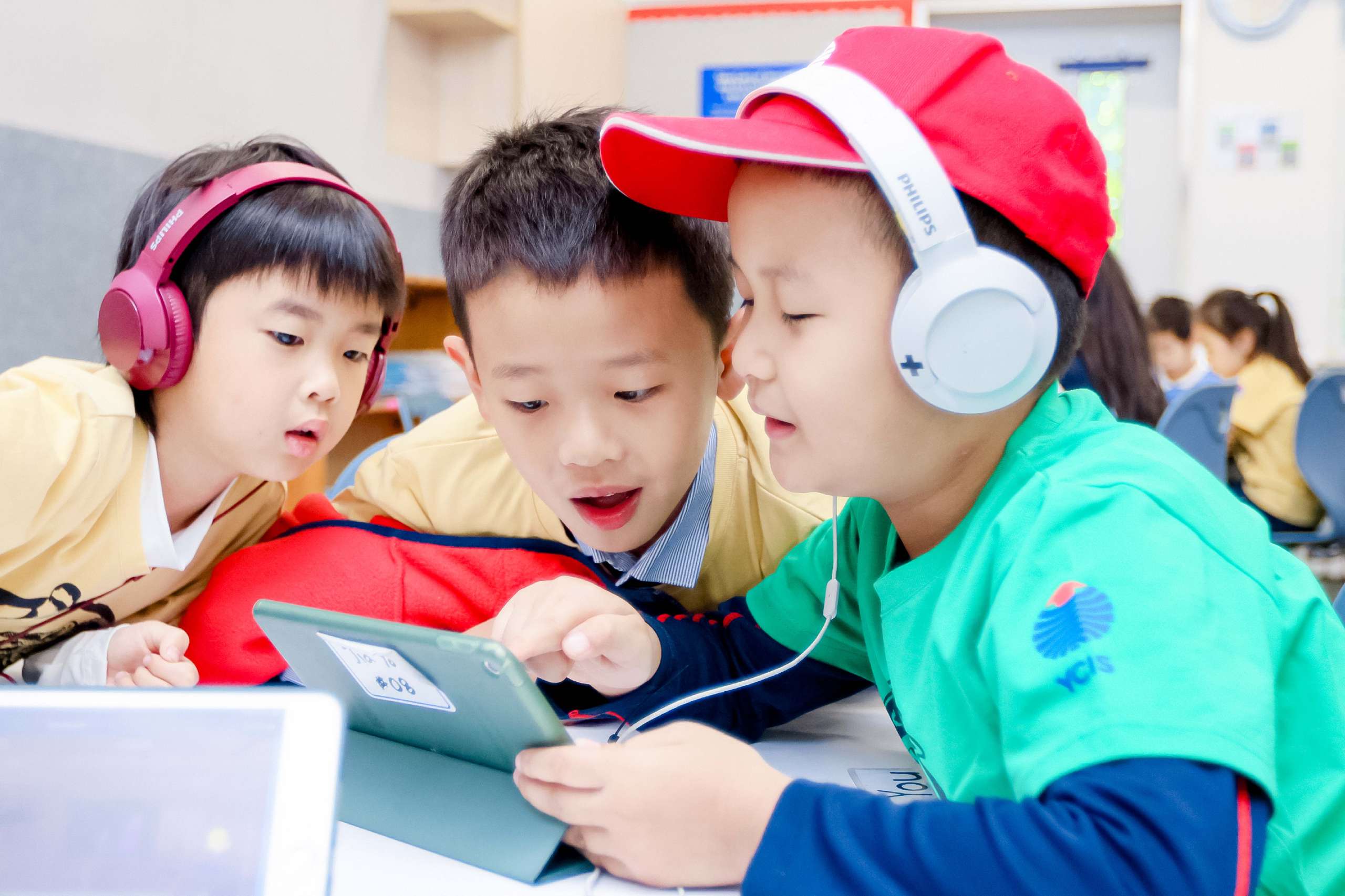
YCIS Beijing is dedicated to building a "person-centred, technology-empowered" educational community. We call upon parents and the school to walk hand-in-hand, reducing unnecessary screen distractions and increasing high-quality face-to-face interaction. Together, we can win this "Battle for the Brain".
 |
 |
Focus on emotional regulation, cultivate self-control, embrace technology, and empower the future.
Acknowledgements
We would like to extend our sincere thanks to the following fellows for their wisdom and professional insights:
-
Ms Zhao Zhanshu (Deputy Editor-in-Chief, CTTN): For deconstructing the complexities of education in the digital age from a media and social perspective.
-
Dr Jin Yiwen (Paediatrician, UFH): For providing a scientific foundation for brain health from the perspectives of neuroscience and clinical paediatrics.
-
Ms Jessica Sun (Chinese Co-Principal, YCIS Beijing): For providing clear guidance on home-school cooperation and student self-management with an educator’s vision.
Stay tuned for the next instalment of the YCYW Educational Lecture Series as we continue to explore the future of education.



YCIS Beijing Is a Child-Safe School
Click HERE for our Child Protection Policies and Procedures
© Yew Chung International School of Beijing 2022. All rights reserved