


Go Back
News
News
Beyond Knowing the Answers: How Year 8 Students Bring Science to Life
News
11 Nov, 2026
20 : 00
What happens when a Year 8 student takes on the role of a cardiologist for a day?
They might find themselves investigating a fictional patient's case, piecing together clues to understand what could be wrong. Or perhaps they become an engineer, building a working model of the circulatory system and explaining how the heart keeps blood moving around the body. It sounds like an exciting science challenge. But completing these tasks takes more than remembering what is written in a textbook. Students need to research, question, test their ideas and, perhaps most importantly, find ways to explain complex scientific concepts so that others can understand them.
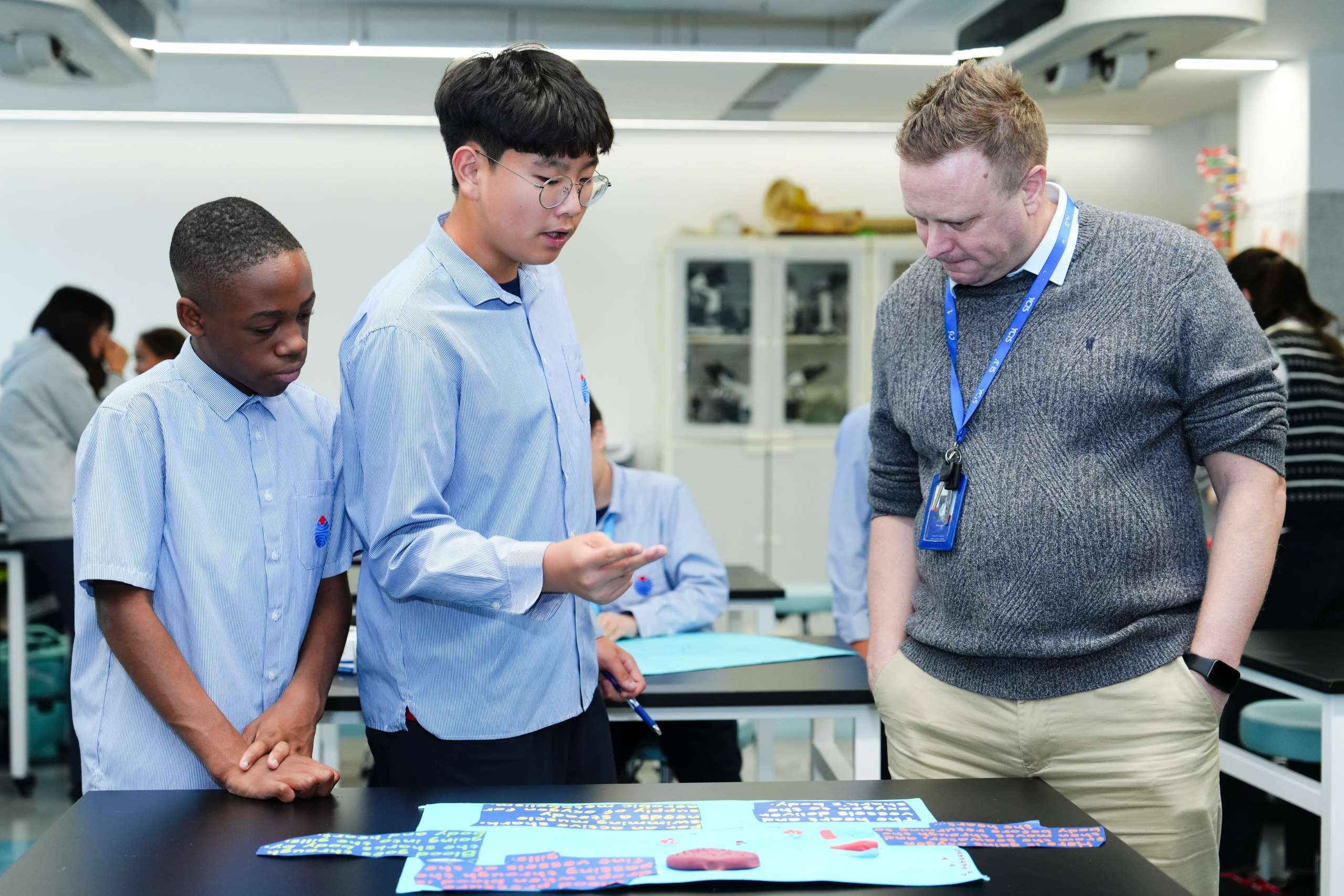
At YCIS Beijing, these challenges came together in a Year 8 science project with an ambitious goal: to create a Circulatory System Museum of their own. What changes when students become not only learners, but also the designers and guides of their own science exhibition?
Making Science Visible
How does blood keep circulating around the body? Why are the walls of arteries thicker than those of veins? And how do the heart, blood vessels and different components of blood work together? To explore these questions, the science teacher developed five projects, each approaching the circulatory system from a different perspective.
Some students became Fish Heart and Gill Engineers, using models and tubing to explore the differences between fish and mammalian circulation. Others took on the role of Blood Component Specialists, creating interactive displays to demonstrate the different functions of blood cells and plasma. The Blood Vessel Engineers designed working vein-valve models, while another project used bilingual diagrams and storytelling to follow the journey of blood around the body.
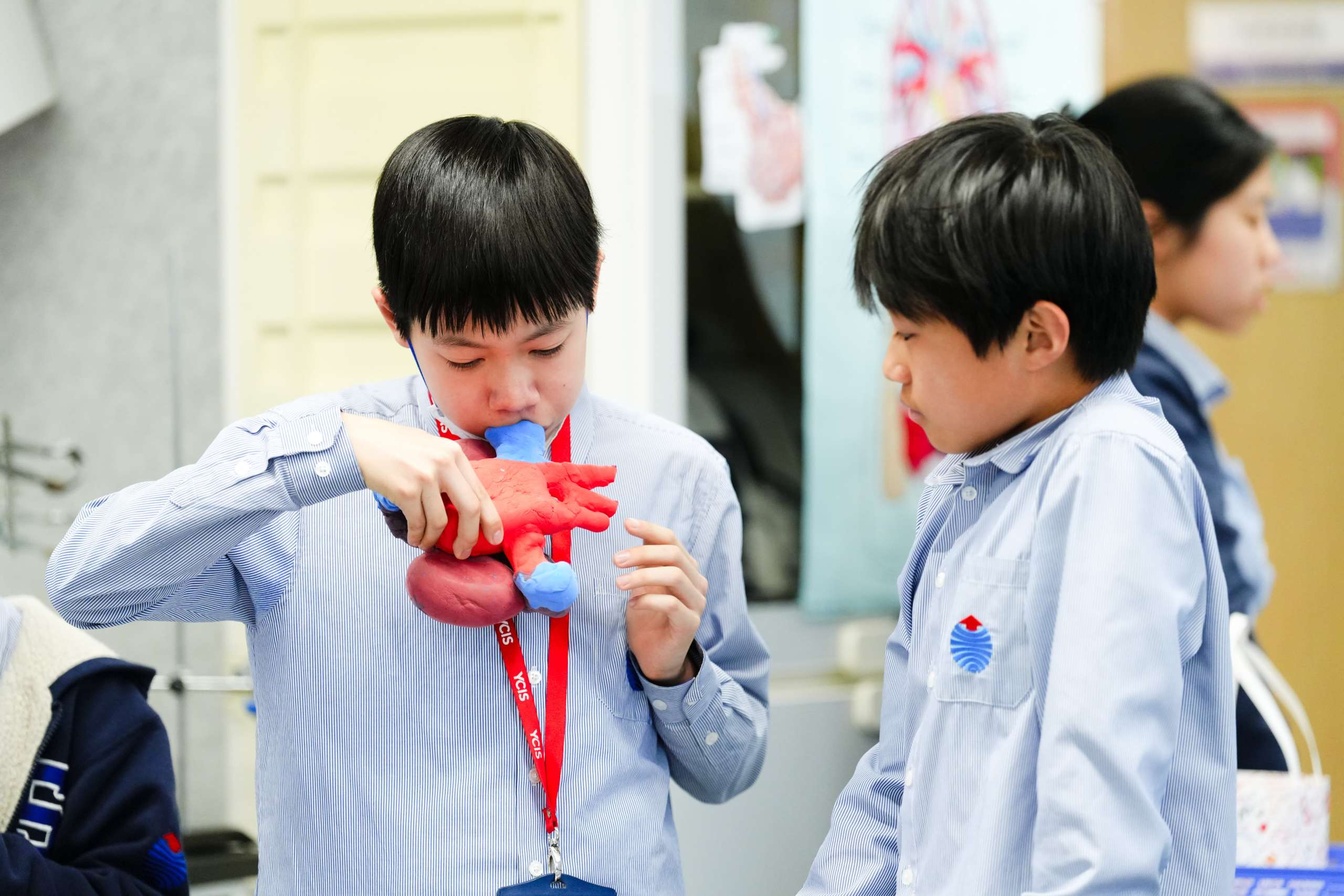
Meanwhile, the Junior Cardiologists faced a different kind of challenge: investigating fictional medical cases and using scientific evidence to explain how heart conditions can affect circulation.Five different approaches, one shared goal: to turn abstract scientific concepts into something students could explore, demonstrate and explain to others.
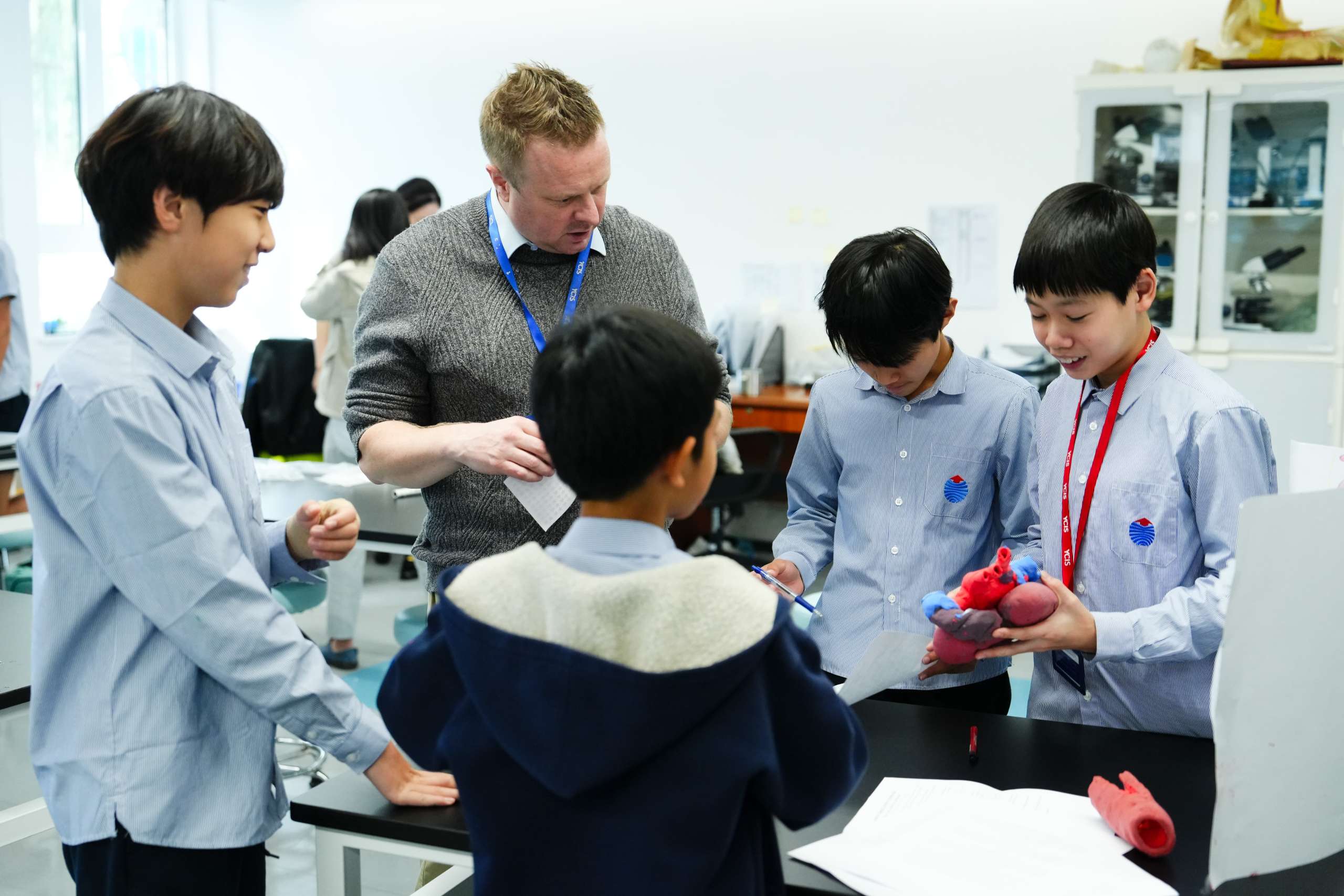
Understanding Begins with Asking Why
Does building a working model necessarily mean a student understands the science behind it? In this project, the teacher expected students to go well beyond creating an impressive display. Why was a model designed in a particular way? How did its different parts work together? And what were its limitations compared with a real biological system?
For example, the Fish Heart and Gill Engineers were tasked with demonstrating how blood travels from the heart to the gills and then around the body. They also needed to compare how blood circulates in fish and mammals, explaining where their model differed from the real process. The Blood Vessel Engineers faced similar questions. Why do arteries need thicker walls? How do valves help prevent blood from flowing backwards through veins?
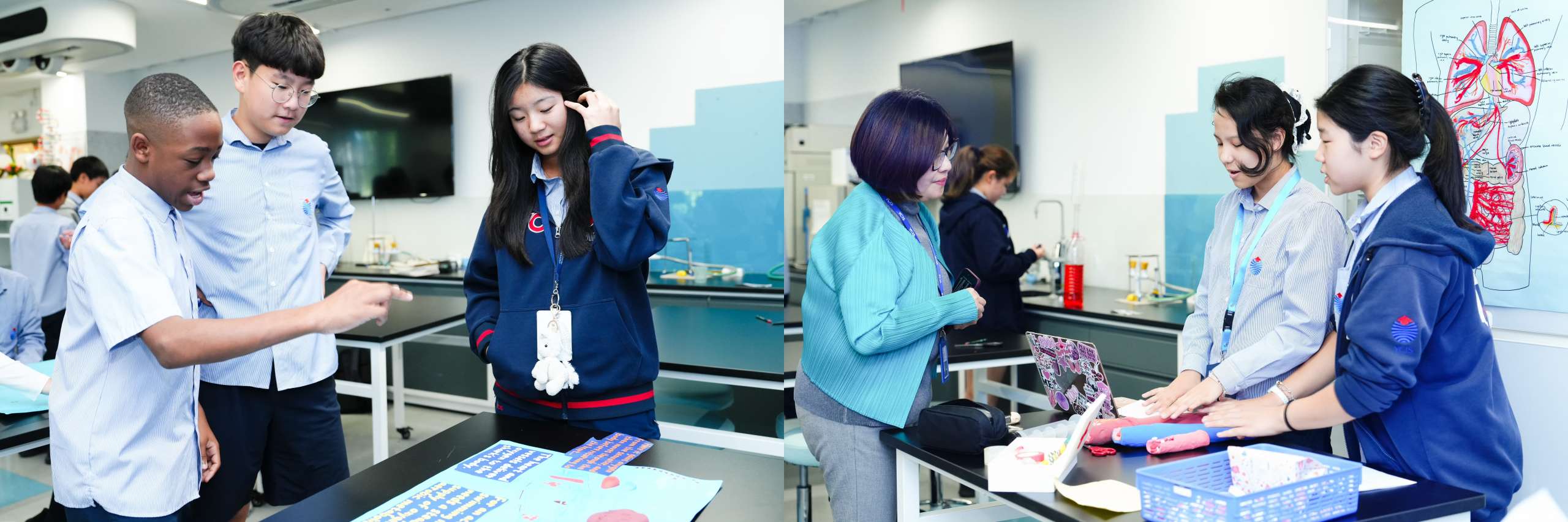
Students were expected not simply to show how their models worked, but to explain the scientific reasoning behind them. By encouraging students to consider scientific accuracy, explain their thinking and recognize the limitations of their models, the project made hands-on learning an opportunity to develop a deeper understanding of biology.
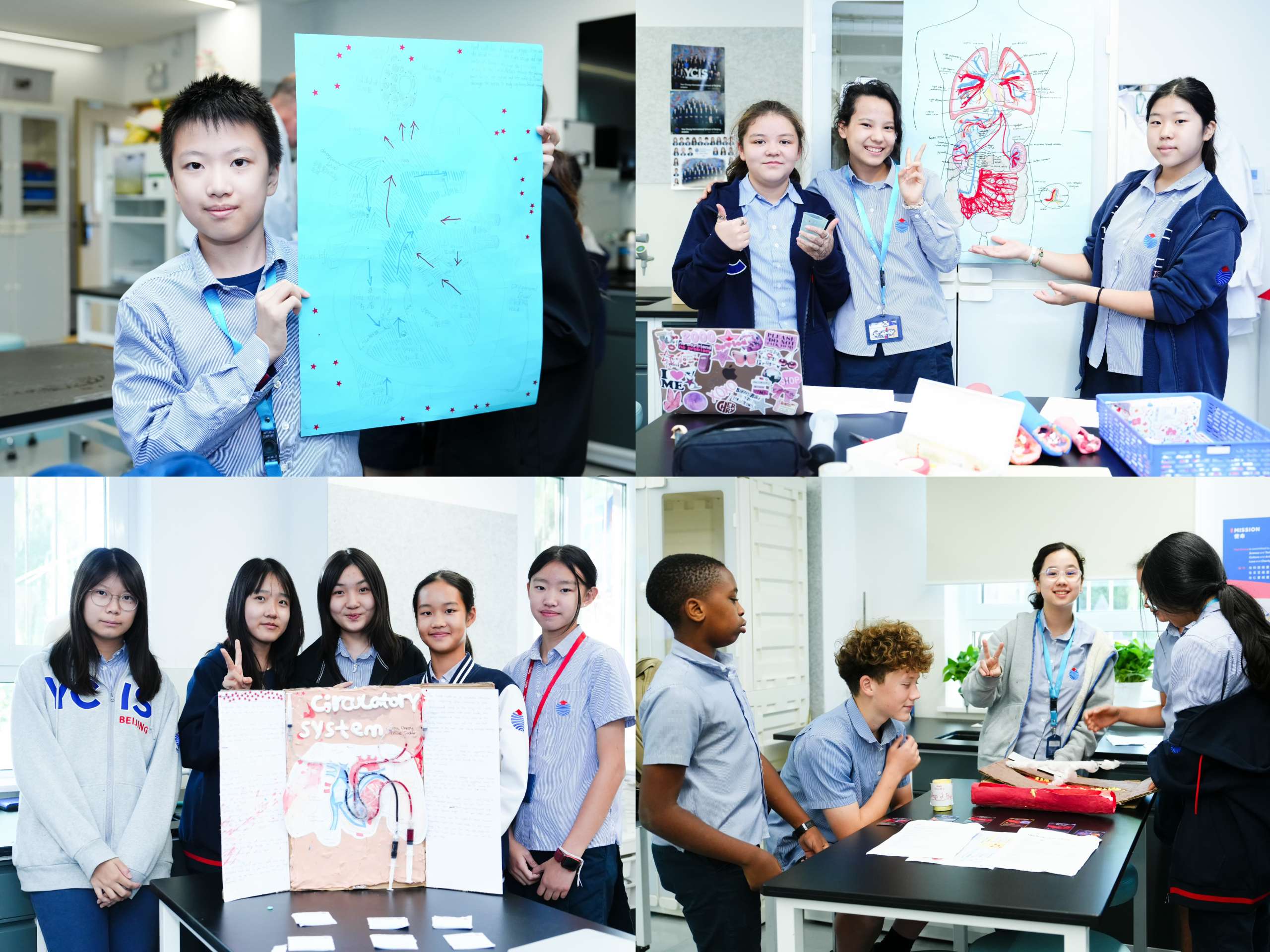
Learning to Think with Evidence
If model-building helped students make sense of scientific principles, the Junior Cardiologists project invited them to take their reasoning a step further. Working with a fictional patient case, students were challenged to investigate a medical problem using limited information.
What might the symptoms suggest? What further evidence would they need? How could changes in the heart's structure affect blood supply or its ability to pump effectively?
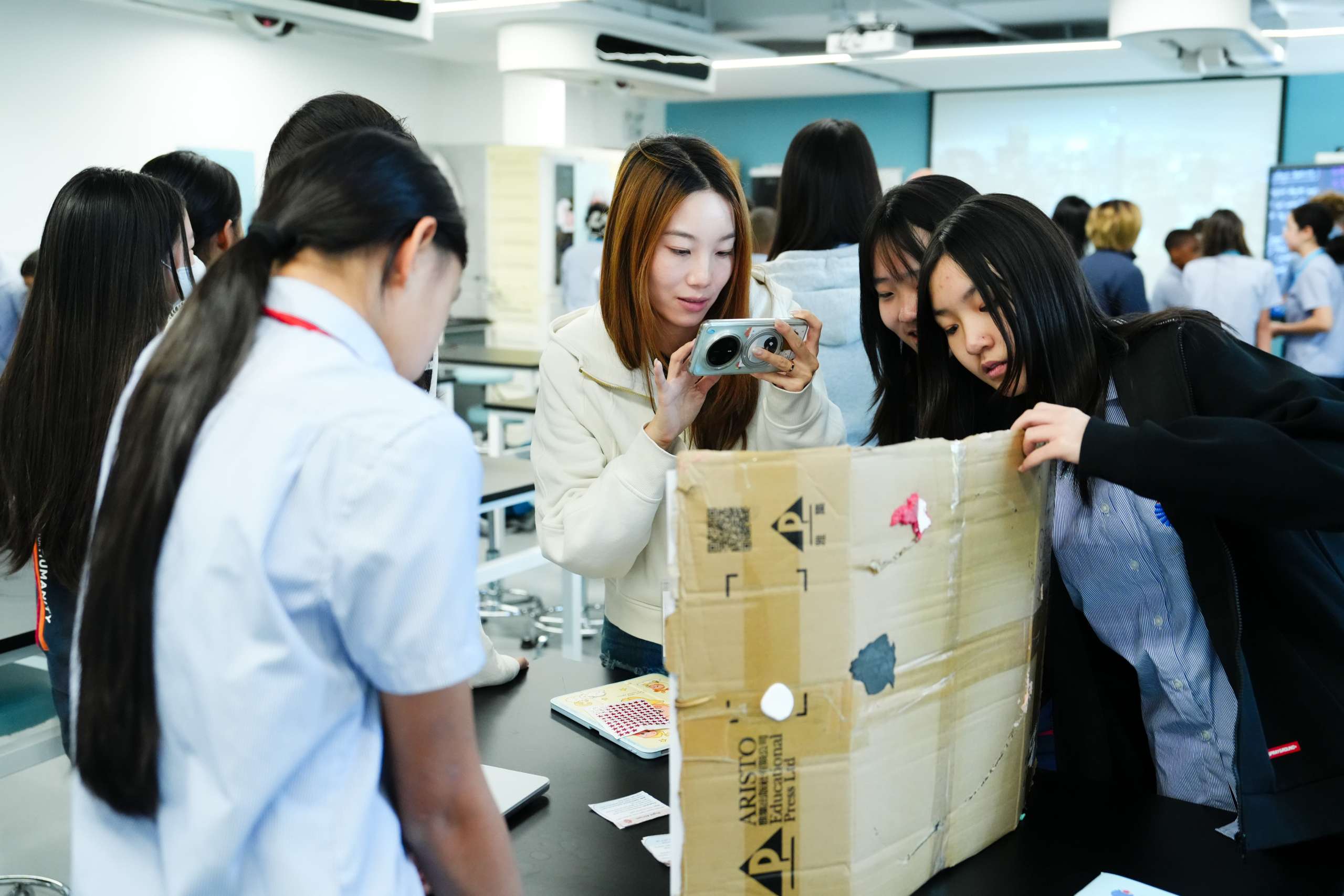
The investigation was designed around four evidence envelopes. Each introduced another piece of the puzzle, from symptoms and normal circulation to structural changes in the heart and possible approaches to treatment. Students had to examine the evidence, make connections and explain the reasoning behind their conclusions. Crucially, they also needed to recognise that a symptom alone is not enough to establish a diagnosis. The aim was not to turn Year 8 students into medical experts. It was to help them practise approaching complex questions with curiosity, care and sound scientific reasoning.
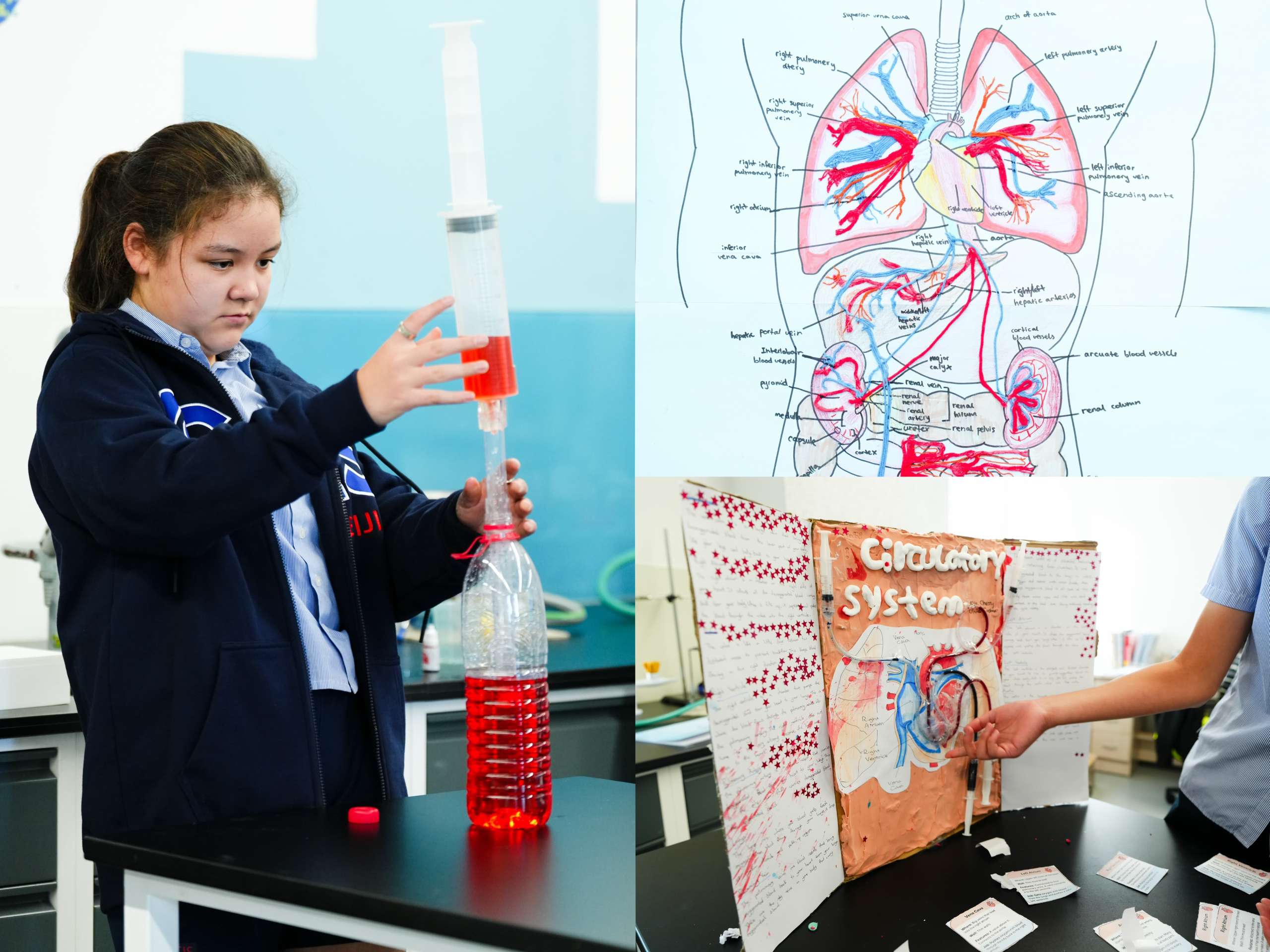
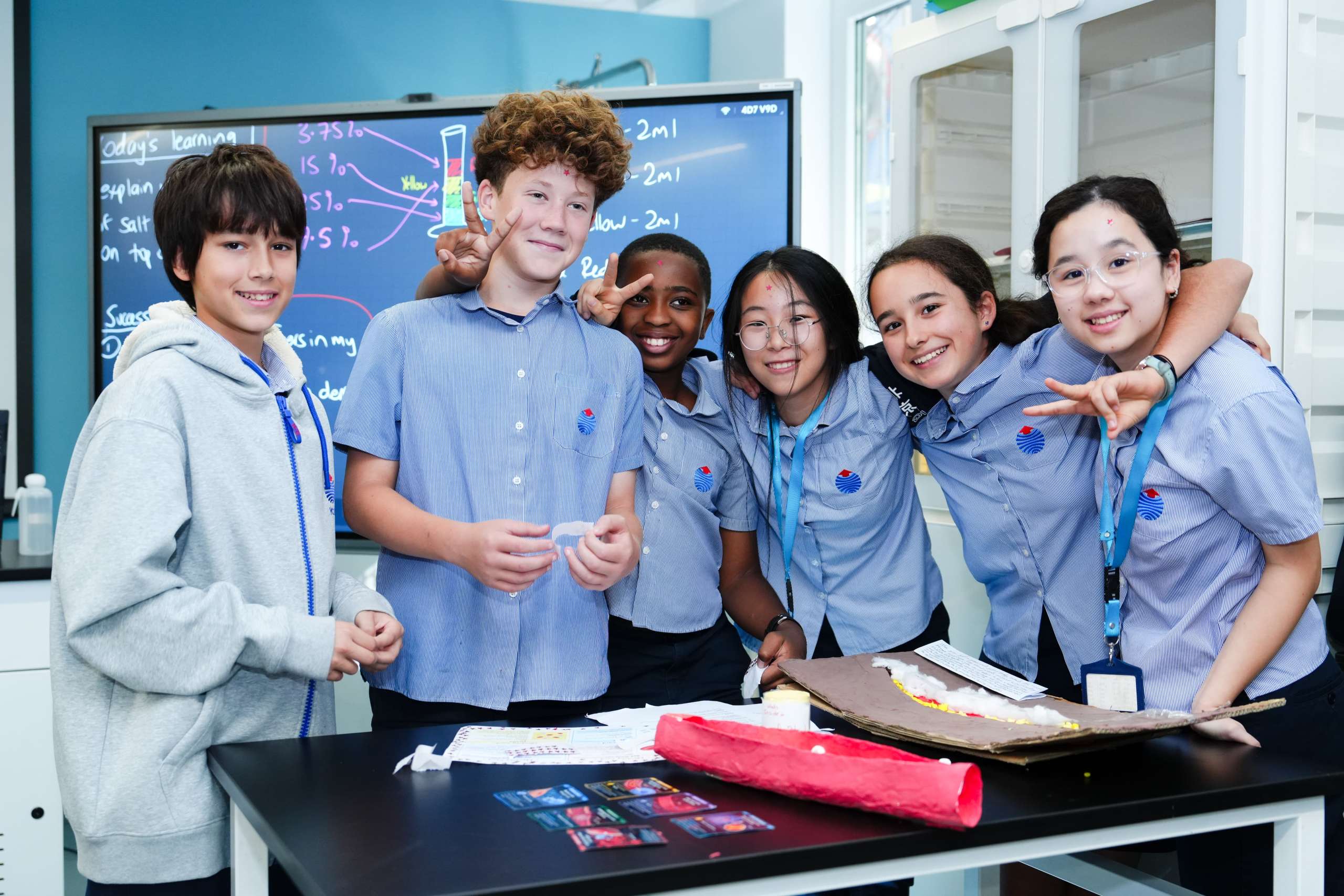
Collaboration was equally important. Students were expected to contribute to research, model-building and presentations, with every group member able to explain the project as a whole, rather than only their assigned part. The project also offered different forms of learning support, including bilingual vocabulary, step-by-step guidance and opportunities to rehearse explanations orally. This approach also reflects the philosophy of YCIS Beijing's Learning Communities, which recognize individual learning needs while encouraging collaboration, independence and active participation.
Beyond the Science Classroom
The challenges students encounter in life will not always come with clear instructions or ready-made answers. Learning to ask questions, investigate evidence, build and test ideas, work with others and explain their findings helps students develop the confidence to apply what they know in unfamiliar situations.
At YCIS Beijing, we believe a strong academic foundation matters. So does the ability to think independently, explore new ideas and communicate with clarity. Because meaningful learning does not end when students find the answer.
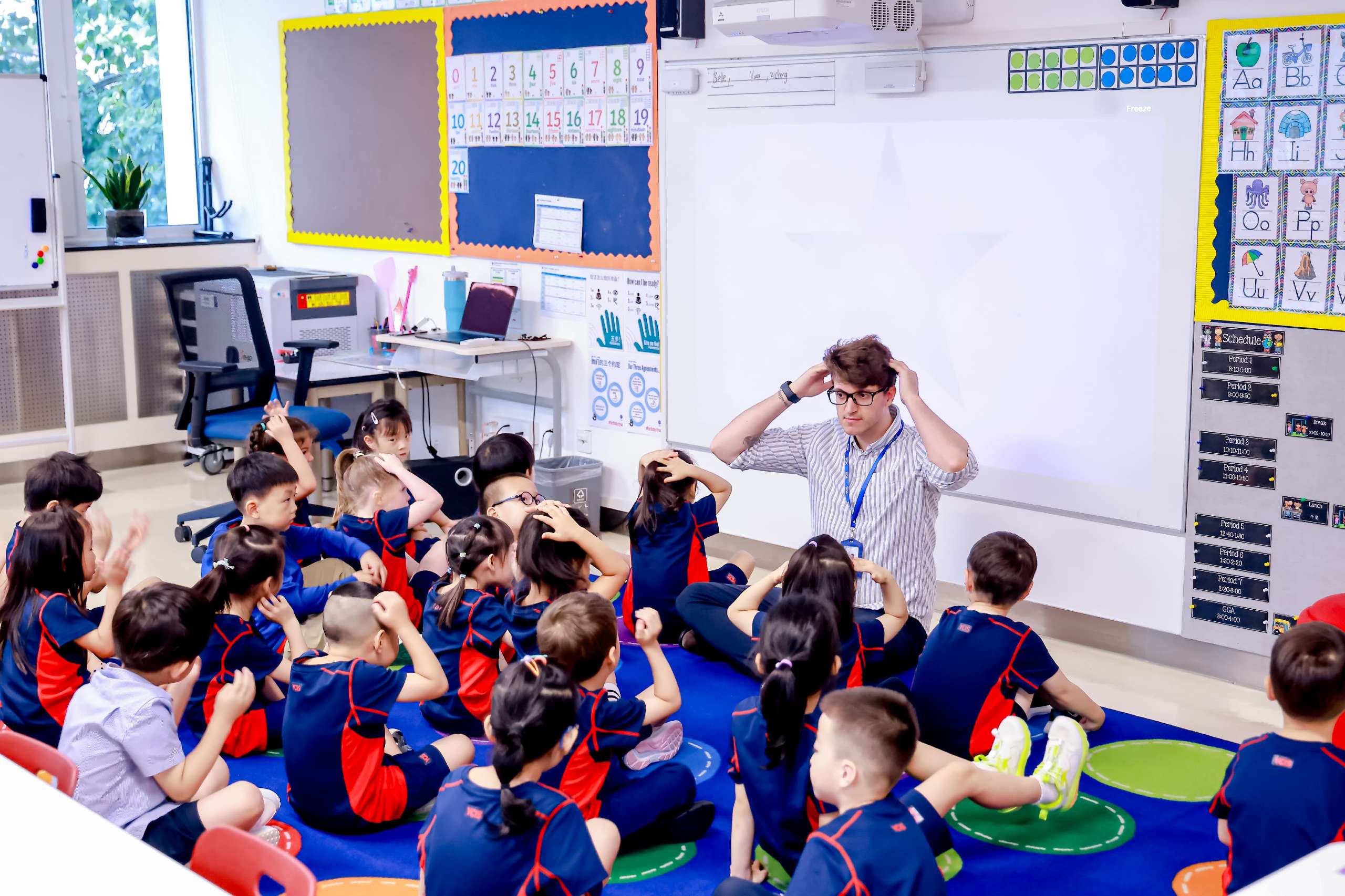
Discover Learning at YCIS Beijing
Would you like your child to develop not only strong subject knowledge, but also the confidence to think independently, explore ideas and express themselves?
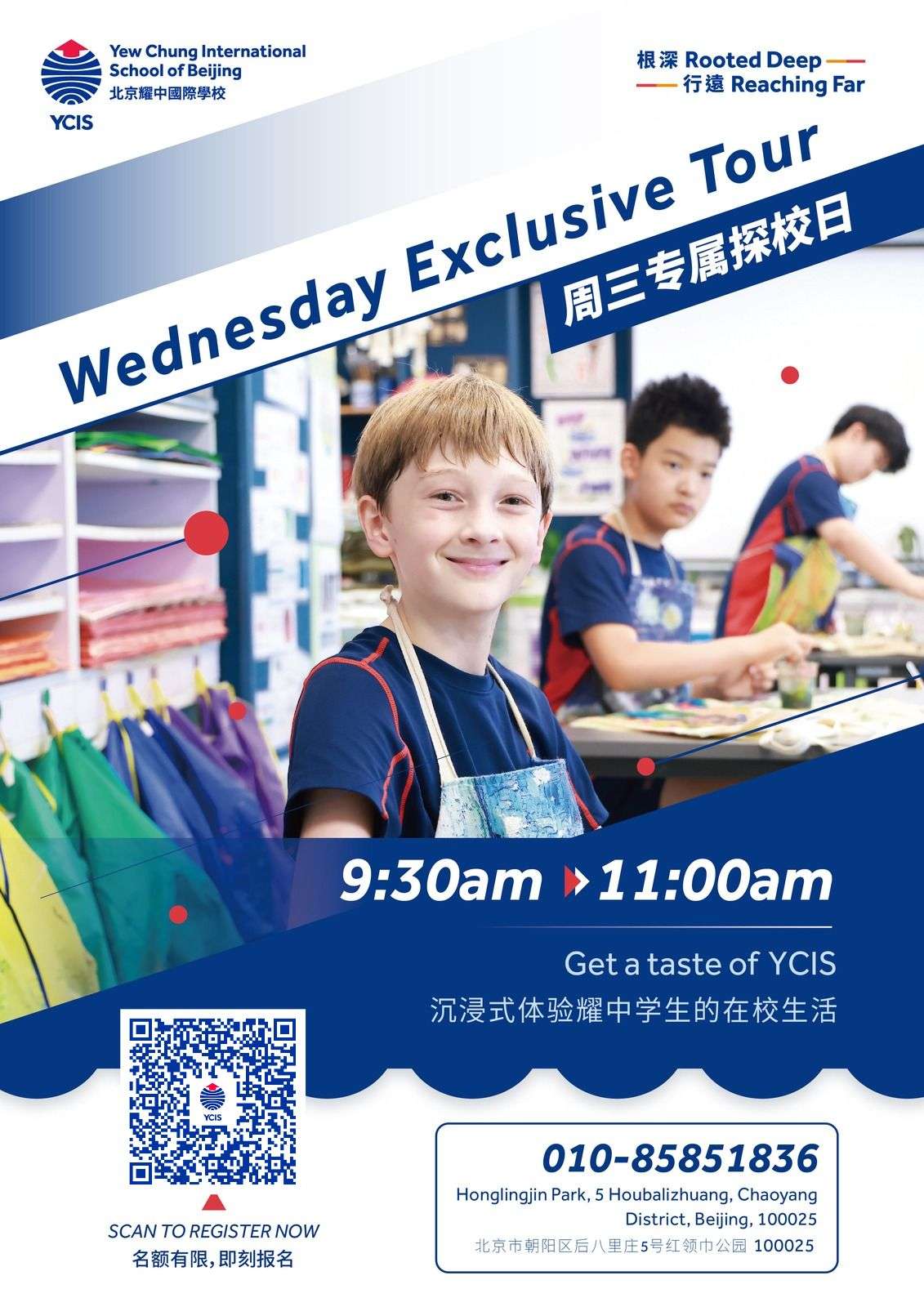
Discover more about our programme and see how learning comes to life at YCIS Beijing. We warmly invite you to visit our campus, experience our learning environment and speak with our Admissions Team.


YCIS Beijing Is a Child-Safe School
Click HERE for our Child Protection Policies and Procedures
© Yew Chung International School of Beijing 2022. All rights reserved